

The Green Finder
Icon
The Green FinderGet the full app experience
The Green Finder
How to Request Cannabis Trade Samples Compliantly

How to Request Cannabis Trade Samples Compliantly

Read Now
What Is the Difference Between Indica, Sativa, and Hybrid?
Cannabis Guide

What Is the Difference Between Indica, Sativa, and Hybrid?

Understand what separates indica, sativa, and hybrid cultivars in plant structure, terpene chemistry, and modern retail classification.

Read_Now
How to Maintain a Compliant Cannabis Delivery Inventory Ledger
Cannabis Guide

How to Maintain a Compliant Cannabis Delivery Inventory Ledger

Learn how California cannabis operators maintain a compliant delivery inventory ledger in Metrc, track mobile stock, and prevent costly DCC violations.

Read_Now
Cannabis Business Insurance Requirements in California: A Guide
Cannabis Guide

Cannabis Business Insurance Requirements in California: A Guide

Understand cannabis business insurance requirements in California, from mandatory DCC liability and surety bonds to essential coverage by license type.

Read_Now
How Do Terpenes Affect Strain Effects and Aroma?
Cannabis Guide

How Do Terpenes Affect Strain Effects and Aroma?

Discover how terpenes shape cannabis strain aroma and effects, moving beyond indica and sativa labels to help retailers guide dispensary consumers.

Read_Now
How to Handle Cannabis Shipping Manifest Discrepancies
Cannabis Guide

How to Handle Cannabis Shipping Manifest Discrepancies

Learn standard operating procedures for handling cannabis shipping manifest discrepancies during receiving and transport under state compliance rules.

Read_Now
Mastering Supply Planning with Cannabis Wholesale Suppliers
Cannabis Guide

Mastering Supply Planning with Cannabis Wholesale Suppliers

Learn how licensed dispensaries manage supplier risk, dual-sourcing strategies, and purchase cadence with cannabis wholesale suppliers.

Read_Now
How to Use Dispensary Sales Velocity Data for Inventory
Cannabis Guide

How to Use Dispensary Sales Velocity Data for Inventory

Learn how to use dispensary sales velocity data to automate reordering, reduce stockouts, and protect your retail compliance record.

Read_Now
Sustainable Cannabis Packaging: Compliance & Design Guide
Cannabis Guide

Sustainable Cannabis Packaging: Compliance & Design Guide

Learn how cannabis operators balance sustainable packaging with strict child-resistance, tamper-evidence, and state compliance requirements.

Read_Now
Maintaining Cold Chain for Live Rosin Transport: Guide
Cannabis Guide

Maintaining Cold Chain for Live Rosin Transport: Guide

Learn how licensed cannabis operators maintain cold chain logistics for fresh frozen flower and live rosin shipments compliant with state transport rules.

Read_Now
How to Manage Cannabis Purchase Orders and MOQs
Cannabis Guide

How to Manage Cannabis Purchase Orders and MOQs

Master purchase order workflows and minimum order quantities in legal cannabis retail with practical inventory planning strategies.

Read_Now
How to Integrate Cannabis POS with Metrc: Retail Guide
Cannabis Guide

How to Integrate Cannabis POS with Metrc: Retail Guide

Learn how to integrate your cannabis POS with Metrc to automate compliance reporting, eliminate double entry, and prevent retail inventory discrepancies.

Read_Now
Why Does the Same Strain Smell Different from Different Growers?
Cannabis Guide

Why Does the Same Strain Smell Different from Different Growers?

Discover why the same cannabis strain smells and tastes different across growers. Learn how terpenes, phenotype variation, and curing shape flower aroma.

Read_Now
Cannabis Payroll Tax Reporting in California: Operator Guide
Cannabis Guide

Cannabis Payroll Tax Reporting in California: Operator Guide

Master cannabis payroll tax reporting in California. Learn EDD mandates, e-filing rules, banking workarounds, and record-keeping compliance.

Read_Now
Child-Resistant Packaging Requirements for Cannabis Products
Cannabis Guide

Child-Resistant Packaging Requirements for Cannabis Products

Master child-resistant packaging requirements for cannabis products under California DCC regulations, covering single-use, lifetime CRP, and labeling.

Read_Now
How to Qualify for Cannabis Social Equity Programs: 2026 Guide
Cannabis Guide

How to Qualify for Cannabis Social Equity Programs: 2026 Guide

Learn how to qualify for cannabis social equity programs, from income and residency rules to criminal history criteria across California, New York, and beyond.

Read_Now
What Are Landrace Cannabis Strains? Origins and Retail Guide
Cannabis Guide

What Are Landrace Cannabis Strains? Origins and Retail Guide

Learn what landrace cannabis strains are, how their traits differ from modern hybrids, and how dispensary budtenders describe them to shoppers.

Read_Now
How to Resolve Dispensary Inventory Discrepancies
Cannabis Guide

How to Resolve Dispensary Inventory Discrepancies

Learn how to resolve dispensary inventory discrepancies between POS and Metrc using cycle counts, root-cause tracking, and automated audits.

Read_Now
Cal/OSHA Requirements for Cannabis Businesses: A Safety Guide
Cannabis Guide

Cal/OSHA Requirements for Cannabis Businesses: A Safety Guide

Learn the essential Cal/OSHA requirements for cannabis businesses, from mandatory IIPP written plans to 30-hour training and workplace safety rules.

Read_Now
Cannabis Delivery Vehicle Requirements in California: A Guide
Cannabis Guide

Cannabis Delivery Vehicle Requirements in California: A Guide

Learn how to comply with cannabis delivery vehicle requirements in California, covering security, lockboxes, GPS tracking, and manifest rules.

Read_Now
How to Vet Cannabis Wholesale Suppliers: A Buyer's Guide
Cannabis Guide

How to Vet Cannabis Wholesale Suppliers: A Buyer's Guide

Learn how to vet cannabis wholesale suppliers effectively. Master license verification, COA audits, MOQs, sample protocols, and purchase orders.

Read_Now
The Green Finder Launches on the Apple App Store, Opening a New Chapter for Cannabis Culture
Industry News

The Green Finder Launches on the Apple App Store, Opening a New Chapter for Cannabis Culture

The platform expands beyond business-to-business connections to welcome consumers, bringing licensed operators, brands, retailers, and cannabis culture into one community.

Read_Now

Reclaiming the Space: How Female Consumers Are Reshaping Cannabis Retail
Industry News

Reclaiming the Space: How Female Consumers Are Reshaping Cannabis Retail

As women become the fastest-growing demographic in the cannabis market, retailers and brands are shifting their strategies to prioritize wellness, transparency, and inclusive dispensary experiences.

Read_Now

Transatlantic Green Wave: North American Cannabis Leaders Anchor in Germany to Pioneer Mental Health Solutions
Business

Transatlantic Green Wave: North American Cannabis Leaders Anchor in Germany to Pioneer Mental Health Solutions

As domestic markets mature, North American cannabis companies are rapidly expanding into Germany, leveraging recent legislative reforms to advance ethnobotanical drug discovery and innovative mental health treatments across Europe.

Read_Now

High-Tech and Eco-Friendly: How AI and Biodegradable Packaging are Reshaping the Cannabis Industry
Industry News

High-Tech and Eco-Friendly: How AI and Biodegradable Packaging are Reshaping the Cannabis Industry

As the cannabis market matures, businesses are increasingly turning to AI-powered cultivation systems to maximize yields while adopting biodegradable packaging to reduce their environmental footprint.

Read_Now
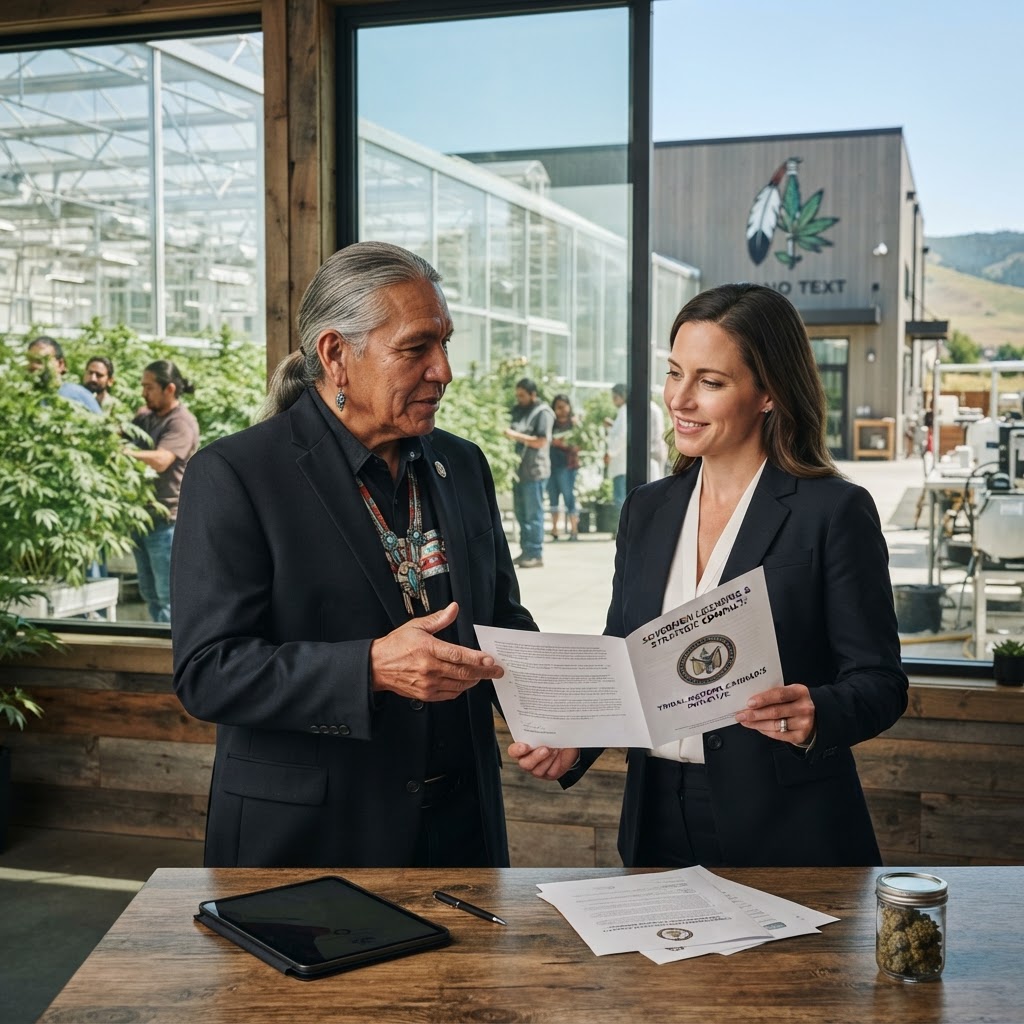
Tribal Nations Propel Cannabis Industry Growth Through Sovereign Licensing and Strategic Compacts
Industry News

Tribal Nations Propel Cannabis Industry Growth Through Sovereign Licensing and Strategic Compacts

Indigenous communities across the United States are reshaping the cannabis landscape by establishing independent licensing programs and forging historic state compacts. These sovereign initiatives are expanding market access, driving economic growth, and ensuring equitable representation for Native American entrepreneurs.

Read_Now

The Green Squeeze: How Price Compression and Heavy Taxes Are Pushing Cannabis Operators to the Brink
Industry News

The Green Squeeze: How Price Compression and Heavy Taxes Are Pushing Cannabis Operators to the Brink

For the first time in history, the U.S. regulated cannabis market is experiencing a year-over-year decline in sales. Licensed operators are battling a perfect storm of plummeting prices, suffocating tax burdens, and fierce competition, leaving only a fraction of businesses profitable.

Read_Now
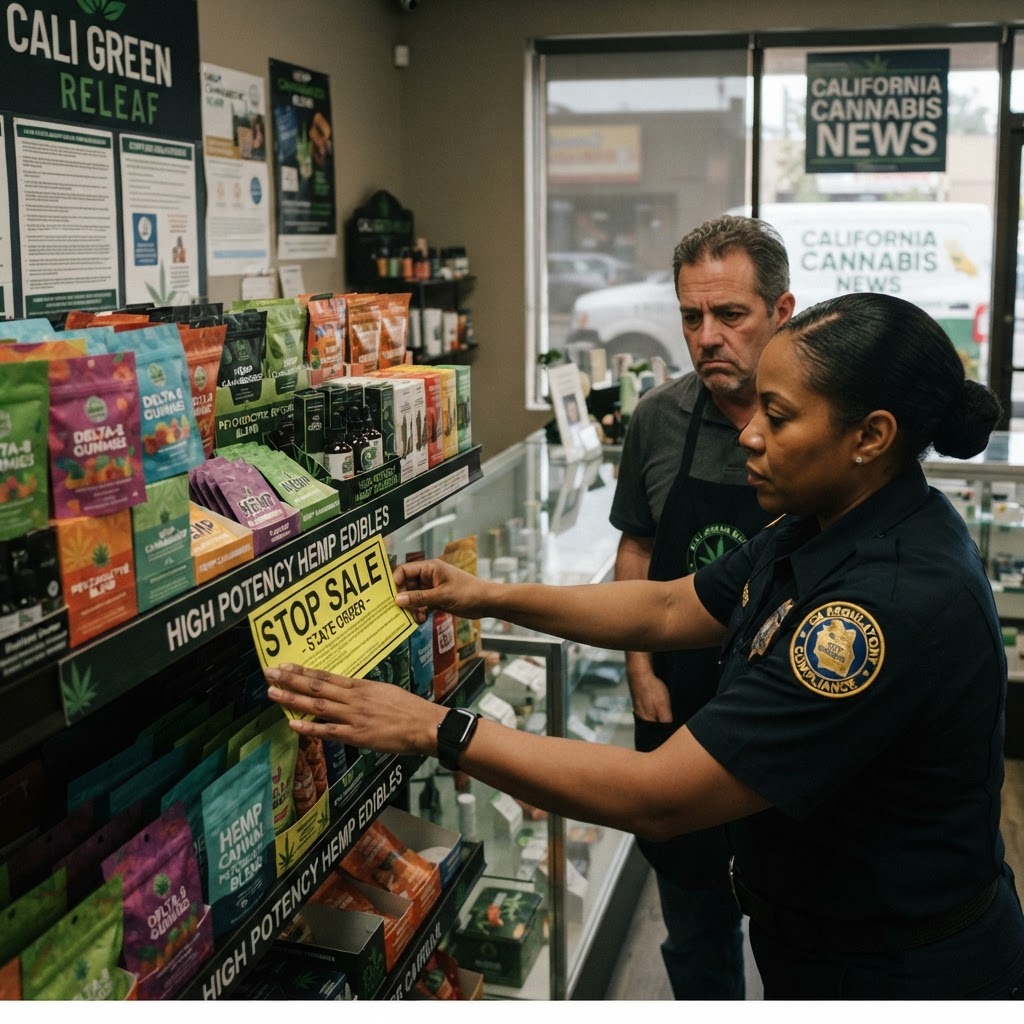
Closing the Loophole: California and Ohio Crack Down on Intoxicating Hemp Products
Industry News

Closing the Loophole: California and Ohio Crack Down on Intoxicating Hemp Products

In a major shift for the cannabis industry, states like California and Ohio are enacting strict bans on unregulated, hemp-derived THC products to protect public health and support licensed dispensaries.

Read_Now
How to Maintain a Compliant Cannabis Delivery Inventory Ledger
Photo: Coastal Elite from Halifax, Canada, CC BY-SA 2.0, via Wikimedia Commons
Cannabis Guide

How to Maintain a Compliant Cannabis Delivery Inventory Ledger

Operating a mobile cannabis dispensary model requires strict compliance with track-and-trace protocols from dispatch to customer drop-off. State regulators hold licensed delivery services accountable for every gram carried in a delivery vehicle, making it essential to understand how to maintain a compliant cannabis delivery inventory ledger. Failure to record accurate dynamic inventory or update records between stops can result in severe administrative fines and license suspension.

In markets like California, the Department of Cannabis Control requires licensed retailers to establish transparent documentation before any vehicle leaves the premises. Master track-and-trace software rules and daily route logging workflows to protect your operational license and streamline your retail fulfillment.

Creating the Ledger Before Departure

A compliant delivery workflow begins inside the retail licensed premises long before the driver starts the vehicle. Operators must generate an official delivery inventory ledger within the track-and-trace system, such as California Cannabis Track-and-Trace powered by Metrc, prior to vehicle departure. Leaving a licensed facility with unrecorded inventory constitutes an immediate regulatory violation carrying heavy monetary penalties per trip.

The initial ledger entry must associate specific data fields with the designated trip. This includes the driver full name, employee identification number, commercial driver license details, and complete vehicle registration information. Furthermore, every packaged unit loaded into the mobile lockbox must have its unique identifier code, product category, and item name captured directly in the software system.

Regulators also require operators to distinguish between pre-ordered customer items and unallocated mobile inventory. California allows dynamic delivery, often referred to as the ice cream truck model, carrying up to ten thousand dollars in total retail goods value. Pre-sold items require verified delivery request receipts, while dynamic goods must be systematically bound to the vehicle run before the departure timestamp is logged.

Updating Records Between Delivery Stops

A delivery inventory ledger is an active, evolving record rather than a static document created once per shift. State guidelines mandate that the driver must possess an up-to-date ledger in either electronic or printed format throughout the entire journey. Every time a package changes custody at a consumer doorstep, the driver or automated dispatch software must deduct those specific units from mobile stock.

When a transaction completes, the system requires precise data entry regarding the drop-off event. The operator must record the exact date and time of completion, the customer classification as adult-use or medicinal, and the specific county where the exchange occurred. The individual product identifiers and retail purchase amounts must also be confirmed against the updated balance of items inside the vehicle.

Modern compliance platforms eliminate manual errors by integrating driver delivery applications directly with state track-and-trace application programming interfaces. When a driver scans a customer identification and captures an electronic signature at the door, the software can automatically log the stop and push real-time ledger adjustments. This instantaneous sync prevents discrepancies if state inspectors perform an unexpected field stop.

Logging Vehicle Movements and Stops

Maintaining a compliant ledger goes hand-in-hand with vehicle route auditing and geographic tracking records. Delivery employees must maintain a sequential stop log that documents every single halt made between departure and return to the licensed facility. This log records customer stops, necessary fuel visits, and required meal breaks alongside an explanation for each stop.

Vehicles must be outfitted with a dedicated global positioning system unit owned by the licensee and used exclusively for delivery operations. The device must record real-time positioning and preserve continuous transit history for a minimum of ninety days. Department inspectors may request this route history at any time to verify that drivers followed approved routes and did not conduct illicit off-book sales.

Regulatory standards also enforce a thirty-minute inactivity rule when running dynamic inventory routes. If a driver does not receive a new delivery dispatch request within thirty minutes of finishing a drop, the vehicle must immediately return to base. Routine meal periods are exempt from this timeline, but drivers cannot idle in parking lots without active customer orders in their queue.

End of Shift Reconciliation Procedures

When the vehicle finishes its daily route, the compliance lifecycle must be closed out methodically at the retail hub. Drivers must submit their complete trip logs and all delivery request receipts to dispatch supervisors for permanent file retention. Any undelivered cannabis products must be brought back inside the licensed facility and checked into inventory storage.

Inventory managers must compare the physical items remaining in the vehicle lockbox against the final numbers on the electronic ledger. Every returned package must be re-associated with active vault storage inside the central track-and-trace system before the close of the calendar day. This reconciliation step guarantees that unaccounted items do not linger in limbo between shifts.

Establishing systematic receiving and restocking checklists ensures your logistics team spots internal discrepancies immediately. Regular internal audits keep delivery operations audit-ready, protect valuable inventory from shrinkage, and maintain good standing with licensing agencies. Explore The Green Finder directory to connect with leading cannabis logistics providers, browse daily brand deals, and source compliant bulk inventory on our licensed wholesale marketplace.

Sources

  1. California Department of Cannabis Control Record-Keeping and Track-and-Trace Requirements for Deliveries
  2. Barclays California Code of Regulations Title 4 Division 19 Section 15418 Cannabis Goods Carried During Delivery
  3. Barclays California Code of Regulations Title 4 Division 19 Section 15417 Delivery Vehicle Requirements

Comments (0)

Please to leave a comment.
No comments yet. Be the first to share your thoughts!